Global Japanese Sushi Rolls
Highlighted under: World Spices | Tasty Seasoning
I’ve always loved the art of sushi-making, and making Global Japanese Sushi Rolls has become a delightful tradition in my kitchen. The combination of fresh ingredients and unique flavors offers a delicious twist on traditional sushi. Crafting these rolls is a joyful experience, and I enjoy customizing them to suit my taste. This recipe is an exciting way to explore the world of sushi, allowing for creativity and fun while also being a fantastic option for gatherings or weekend meals with family and friends.
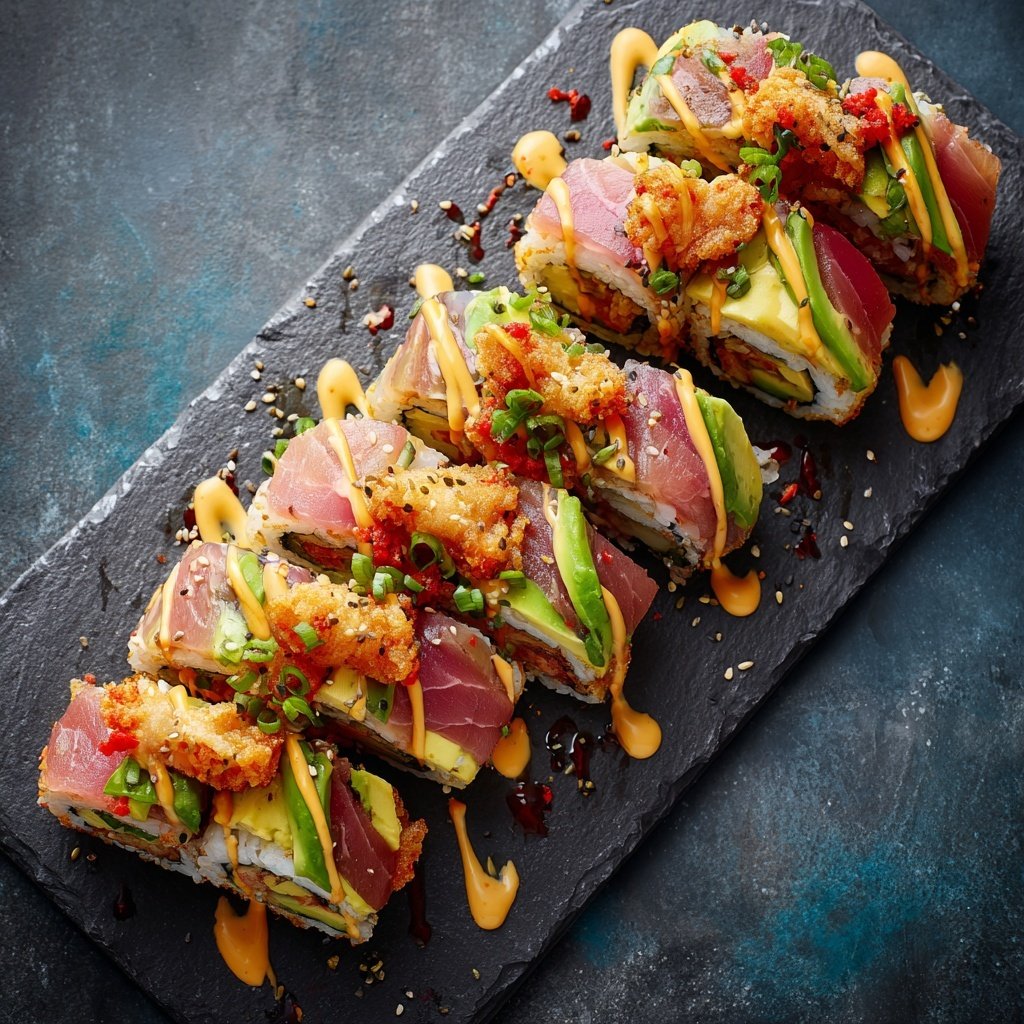
When I first tried my hand at making sushi at home, I was surprised by how simple it can be! Using high-quality rice and fresh fillings make such a difference. I learned that the key is to ensure your rice is sticky enough to hold the roll together while maintaining a nice balance of flavors.
Over the years, I experimented with various fillings, from classic avocado and crab to innovative ingredients like roasted vegetables and spicy tuna. Each roll offers a unique taste, and I love to serve them with different dipping sauces for added depth. It's a fun way to impress my friends during get-togethers!
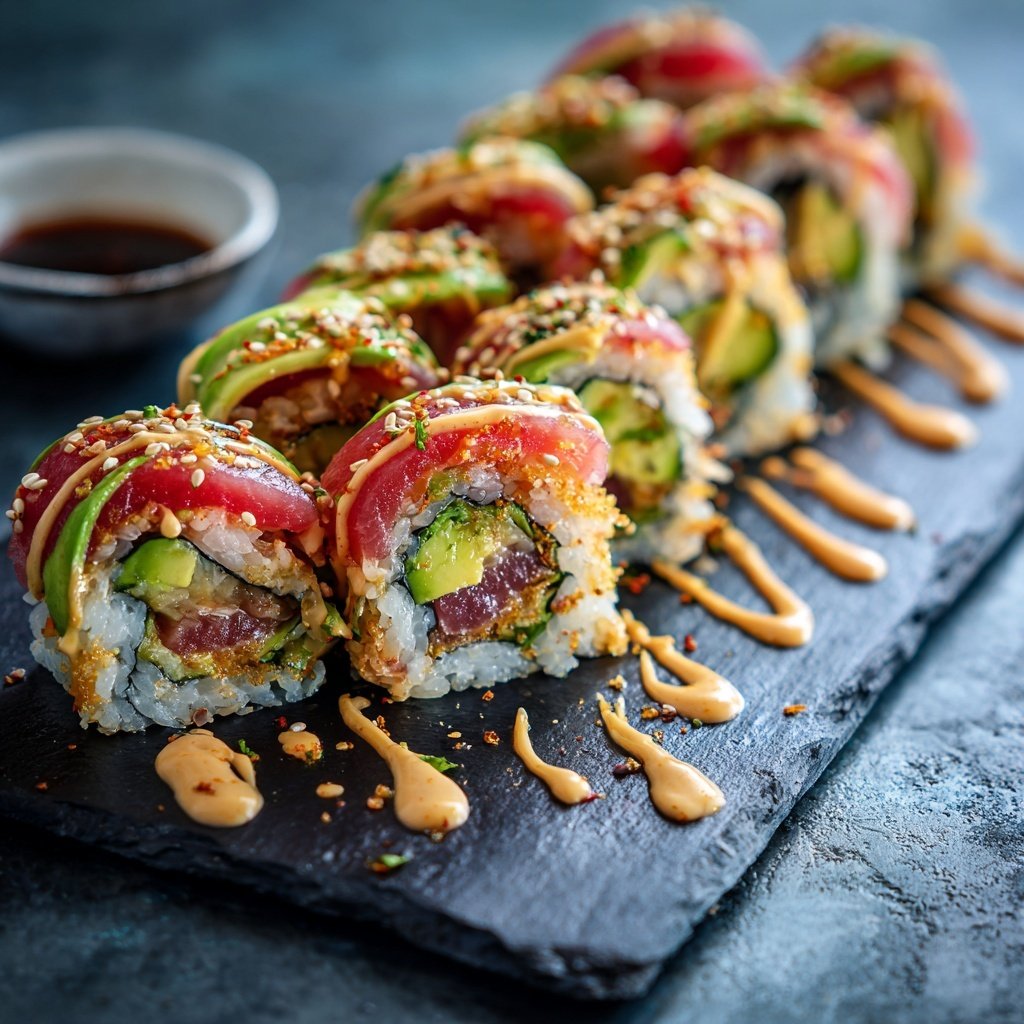
You will love these sushi rolls because:
- A vibrant mix of flavors that tantalize your taste buds
- Customizable ingredients to suit everyone's preferences
- A fun and interactive way to enjoy a meal with loved ones
Mastering the Rice
The sushi rice is the foundation of your Global Japanese Sushi Rolls, and mastering its preparation is crucial for achieving the perfect texture and flavor. Rinsing the rice thoroughly is essential; it removes excess starch that can make the rice gummy. Once cooked, allow it to cool to room temperature to ensure it can be easily spread on the nori without becoming too sticky or warm, which may cause the nori to lose its crispness.
When mixing the vinegar, sugar, and salt, be sure to dissolve them completely. This mixture not only flavors the rice but also helps to create a slight gloss that enhances its visual appeal. If you find your rice is too dry after cooking, consider adding a splash of water before mixing in the vinegar solution—this will maintain the moisture needed for rolling.
Choosing the Fillings
The beauty of Global Japanese Sushi Rolls lies in their versatility. While avocado and cucumber are classic choices, you can experiment with various fillings. For instance, adding pickled vegetables or even roasted sweet potato can provide an exciting twist. Always consider the balance of flavors; for instance, pairing rich ingredients like smoked salmon with the lightness of cucumber creates a delightful contrast that enhances the overall experience.
If you're accommodating dietary restrictions, feel free to swap out crab meat for tofu or tempeh for a vegetarian option. Cooking or marinating these alternatives can enhance their flavor. Just ensure that any meat or fish is prepped to a manageable size to maintain the integrity of your roll, and don't hesitate to add herbs like cilantro or mint for an extra layer of taste.
Rolling Techniques
Using a bamboo sushi mat effectively can make all the difference when rolling your sushi. Make sure to position the nori shiny side down and keep a light but firm pressure when rolling. This ensures the fillings stay intact and the roll holds its shape. If you encounter difficulty, consider rolling a little softer; overly tight rolls can result in the fillings squishing out or the nori tearing.
As for slicing your sushi, using a sharp knife is crucial for clean cuts. After each slice, wipe the knife with a damp cloth to prevent the rice from sticking, preserving the neatness of each piece. If you find the nori edges start to peel away, it could be that the roll was too loose; simply reinforcing the seal with a little water can help maintain structural integrity.
Ingredients
For the Sushi Rice
- 2 cups sushi rice
- 2 1/2 cups water
- 1/4 cup rice vinegar
- 2 tablespoons sugar
- 1 teaspoon salt
For the Fillings
- 1 avocado, sliced
- 1 cucumber, julienned
- 4 oz crab meat (or imitation crab)
- 4 oz smoked salmon
- 1 finely chopped green onion
- Sesame seeds, for garnish
- Soy sauce, for serving
For Rolling
- 4 sheets of nori (seaweed)
- Bamboo sushi mat
Instructions
How to Make the Sushi Rolls
Prepare the Rice
Rinse the sushi rice under cold water until it runs clear. Combine rinsed rice and water in a rice cooker and cook according to the manufacturer's instructions. Once cooked, let it cool slightly. In a small bowl, mix rice vinegar, sugar, and salt until dissolved. Fold the mixture into the rice gently with a wooden spoon.
Prepare the Fillings
While the rice is cooling, prepare your fillings. Cut the avocado into thin slices, julienne the cucumber, and chop the green onion. If using crab or salmon, shred or slice it into manageable pieces.
Assemble the Sushi Rolls
Place a sheet of nori on the bamboo mat, shiny side down. Wet your hands and spread a layer of rice evenly over the nori, leaving about 1 inch at the top. Place your desired fillings in the center of the rice layer.
Roll the Sushi
Starting from the edge closest to you, lift the bamboo mat and begin to roll away from you, applying light pressure. Roll firmly but not too tightly to avoid squishing the filling. Seal the edge of the nori with a bit of water.
Slice and Serve
Using a sharp knife, slice the roll into 6-8 pieces. Wipe the knife between cuts to ensure clean slices. Serve with soy sauce and garnish with sesame seeds.
Enjoy Your Sushi Rolls!
Pro Tips
- Experiment with different fillings like tempura vegetables or teriyaki chicken to suit your taste. Don’t be afraid to get creative with sauces and presentation!
Storage Tips
If you have leftover sushi rolls, it's best to store them in an airtight container in the refrigerator, where they can last for about a day. However, the texture and flavor may diminish after the first few hours. To keep the nori from becoming soggy, consider wrapping each roll in plastic wrap before placing them in the container. When ready to eat, it's best to enjoy them cold rather than reheating, as the texture can become undesirable.
For meal prep, you can prepare the sushi rice and fillings a day in advance. Just keep the rice covered with a damp cloth to prevent it from drying out, and store the fillings separately in airtight containers. Assembling the rolls just before serving ensures they remain fresh and vibrant, making for a delightful last-minute meal option.
Creative Roll Variations
Feel free to experiment beyond traditional ingredients in your sushi rolls. Consider creating a dessert sushi roll using sweetened rice and fillings like mango or strawberries with a drizzle of chocolate or condensed milk on top. These vibrant, sweet versions can be perfect for gatherings or as a fun treat for kids. Look for inspiration in flavors from different cuisines, like using spicy tuna or kimchi for a fusion twist.
Another variation could be to turn your sushi into a bowl format. Layer sushi rice with all your fillings served over the top in a bowl, akin to a sushi burrito or poke bowl. This method not only allows for a beautiful presentation but also makes for easier serving and enjoyment at larger gatherings.
Questions About Recipes
→ What type of rice should I use?
You should use sushi rice, which is short-grain and sticky. This helps the rolls hold together.
→ Can I make sushi rolls vegetarian?
Absolutely! You can use a variety of vegetables like bell peppers, carrots, and avocados as fillings.
→ How do I keep my sushi fresh?
Keep the sushi covered with a damp cloth and consume within a few hours for the best taste and freshness.
→ Can I use a different type of vinegar?
While rice vinegar is traditional, you could use apple cider vinegar or white vinegar, but the flavor will differ slightly.
Global Japanese Sushi Rolls
Created by: The Chefryancooks Team
Recipe Type: World Spices | Tasty Seasoning
Skill Level: Intermediate
Final Quantity: 4 rolls
What You'll Need
For the Sushi Rice
- 2 cups sushi rice
- 2 1/2 cups water
- 1/4 cup rice vinegar
- 2 tablespoons sugar
- 1 teaspoon salt
For the Fillings
- 1 avocado, sliced
- 1 cucumber, julienned
- 4 oz crab meat (or imitation crab)
- 4 oz smoked salmon
- 1 finely chopped green onion
- Sesame seeds, for garnish
- Soy sauce, for serving
For Rolling
- 4 sheets of nori (seaweed)
- Bamboo sushi mat
How-To Steps
Rinse the sushi rice under cold water until it runs clear. Combine rinsed rice and water in a rice cooker and cook according to the manufacturer's instructions. Once cooked, let it cool slightly. In a small bowl, mix rice vinegar, sugar, and salt until dissolved. Fold the mixture into the rice gently with a wooden spoon.
While the rice is cooling, prepare your fillings. Cut the avocado into thin slices, julienne the cucumber, and chop the green onion. If using crab or salmon, shred or slice it into manageable pieces.
Place a sheet of nori on the bamboo mat, shiny side down. Wet your hands and spread a layer of rice evenly over the nori, leaving about 1 inch at the top. Place your desired fillings in the center of the rice layer.
Starting from the edge closest to you, lift the bamboo mat and begin to roll away from you, applying light pressure. Roll firmly but not too tightly to avoid squishing the filling. Seal the edge of the nori with a bit of water.
Using a sharp knife, slice the roll into 6-8 pieces. Wipe the knife between cuts to ensure clean slices. Serve with soy sauce and garnish with sesame seeds.
Extra Tips
- Experiment with different fillings like tempura vegetables or teriyaki chicken to suit your taste. Don’t be afraid to get creative with sauces and presentation!
Nutritional Breakdown (Per Serving)
- Calories: 350 kcal
- Total Fat: 8g
- Saturated Fat: 1g
- Cholesterol: 30mg
- Sodium: 600mg
- Total Carbohydrates: 55g
- Dietary Fiber: 4g
- Sugars: 2g
- Protein: 10g